WELCOME TO
Westside Animal Hospital
We offer comprehensive veterinary care for dogs and cats in Colorado Springs, CO.
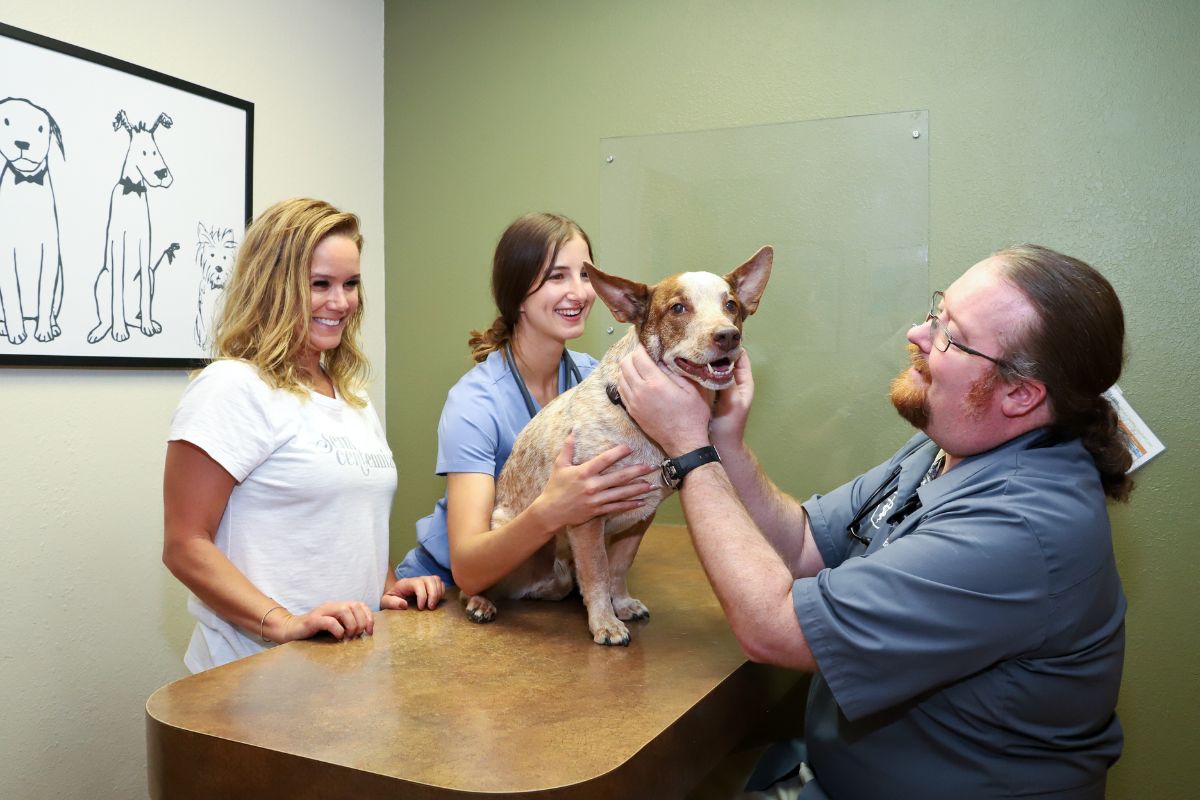
Real Testimonials from Real Clients
Veterinary Services
Wellness care, diagnostics, surgery, and more.
Request an Appointment
Request an appointment for your pet online today.
Online Pharmacy
Easliy order your pet’s food, medication, and more.
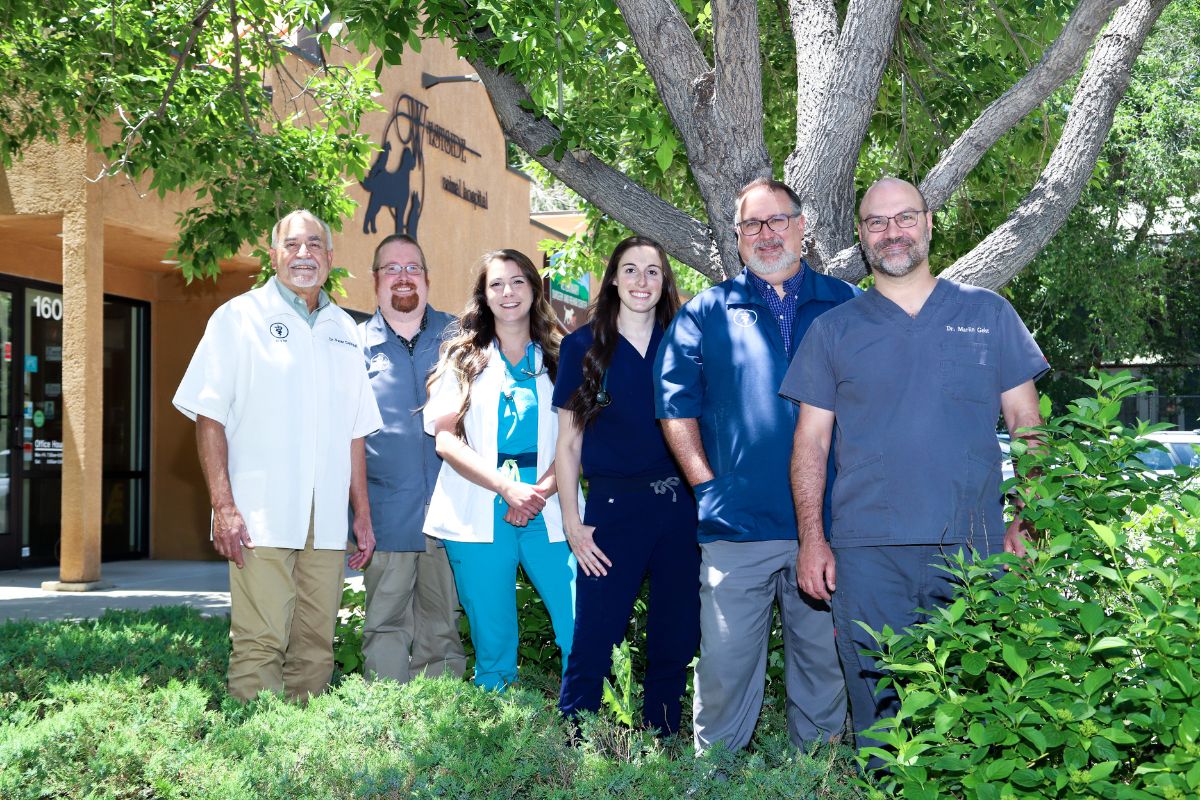
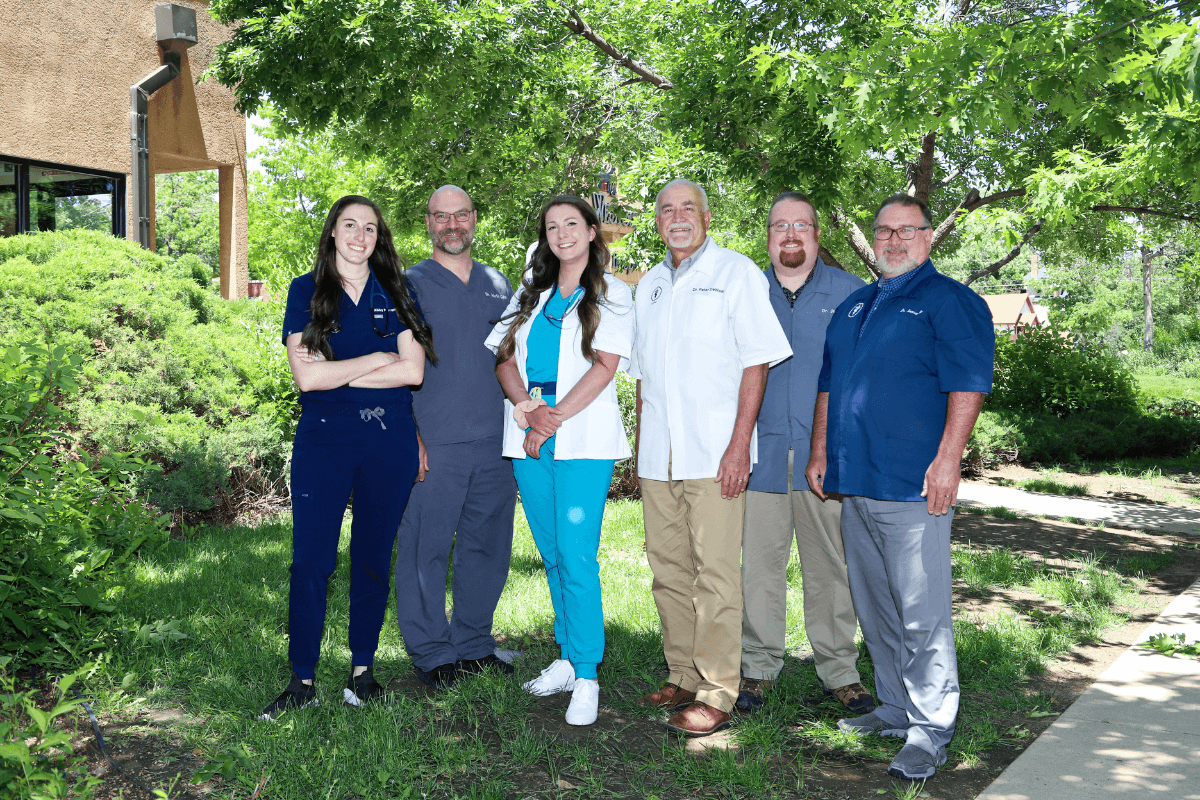
Meet Our Veterinary Team
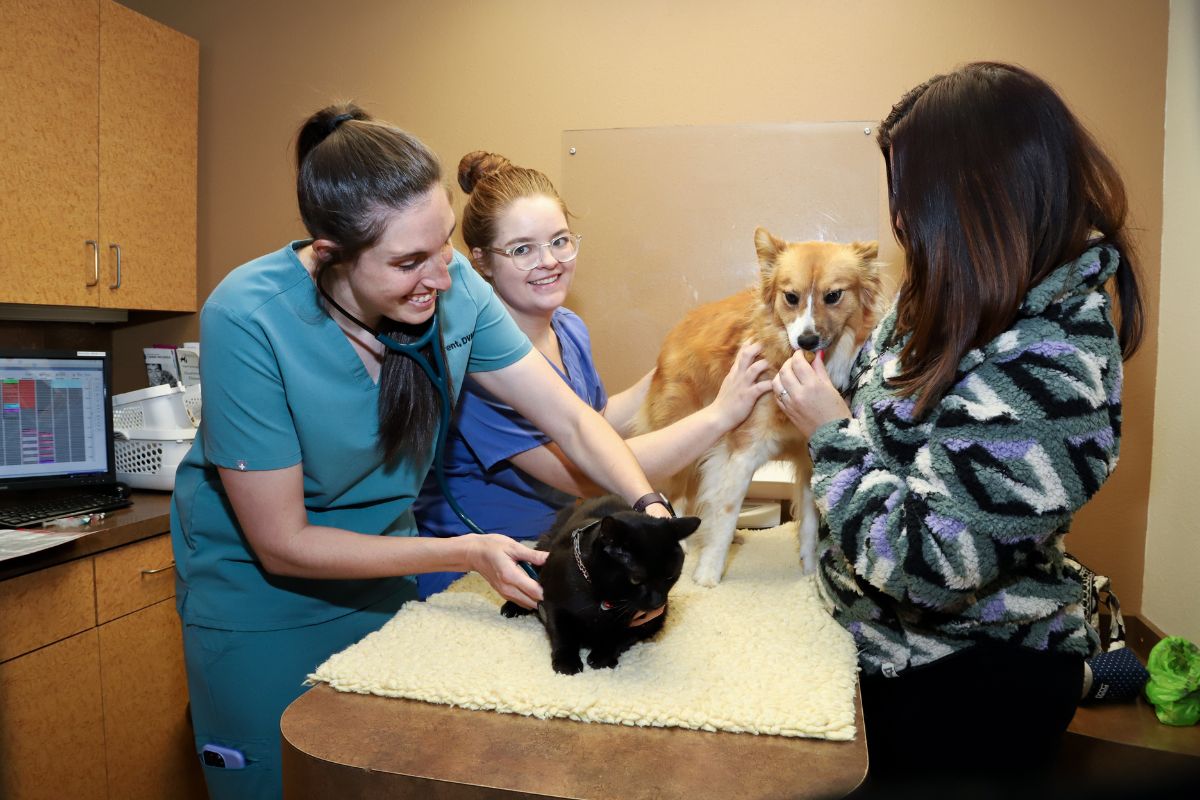
Our veterinary team comprises passionate and dedicated individuals committed to providing your beloved pets with the highest standard of care. With years of experience and a genuine love for animals, we work together to ensure that every pet receives the personalized attention and treatment they deserve.
Complete Veterinary Care in Colorado Springs, CO
We understand that your pets are part of your family. That’s why we’re dedicated to providing comprehensive and compassionate veterinary services to the Colorado Springs community. From routine wellness exams to advanced diagnostics and surgical procedures, we’re here to ensure your pet receives the best possible treatment at every stage of life.

Pet Dental Care

Pet Internal Medicine

Pet Surgery

Pet Diagnostics
About Westside Animal Hospital
At Westside Animal Hospital, we pride ourselves on being more than just a veterinary clinic. We understand the deep bond between you and your furry family members, and we’re here to provide compassionate veterinary care tailored to your pet’s needs.
Every pet deserves quality veterinary care. That’s why we strive to make our services accessible and affordable without compromising on the level of care we provide.
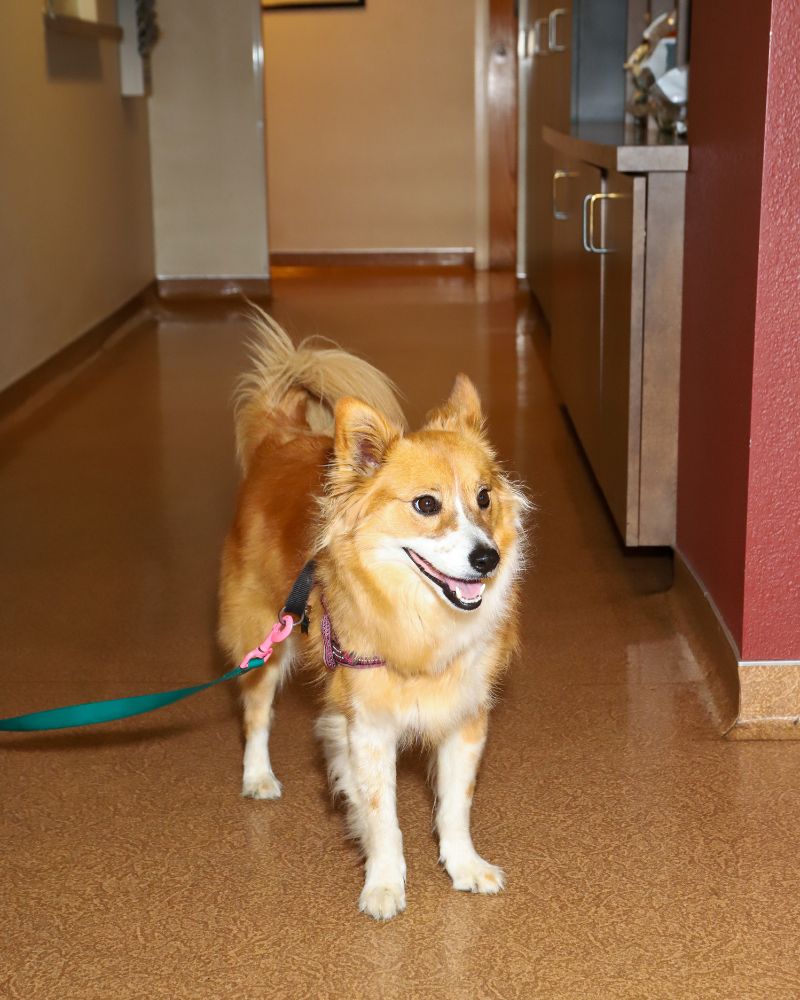

Join Our Team
We’re looking for passionate pet lovers, including doctors, technicians, administrative staff, and management. Join our team and help shape our amazing culture.